
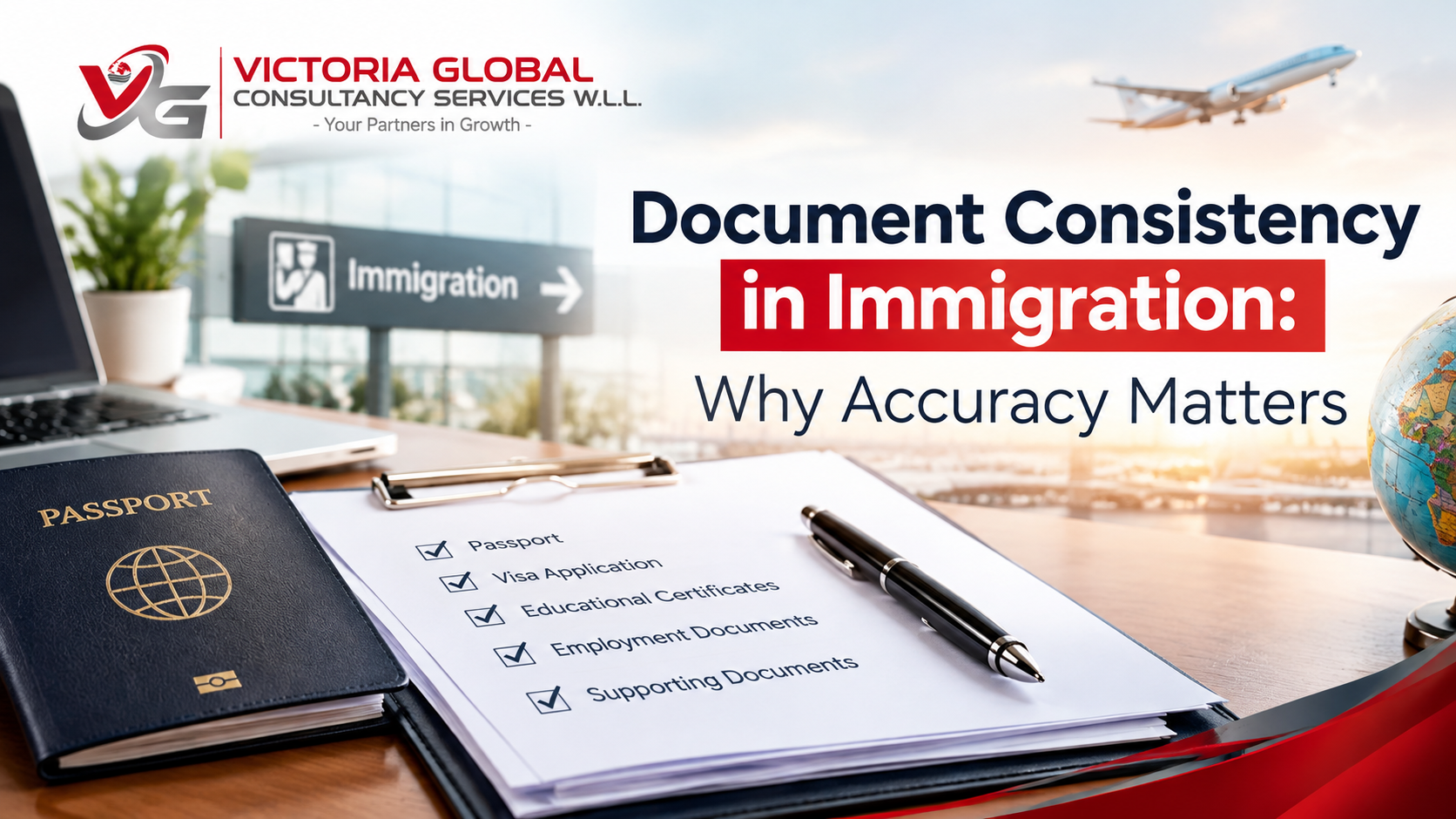
A strong visa application is not simply about submitting a high volume of paperwork. Your file must present a clear, truthful, and organized narrative. Ensuring strict document consistency across every record is one of the most effective ways to avoid unnecessary processing delays or additional information requests from immigration authorities.
What Is Document Consistency in Immigration?
When reviewing an application, immigration officers cross-examine multiple pieces of evidence to verify your background history. Document consistency means that all details—such as full legal names, dates of birth, employment timelines, and job titles—match seamlessly across every submitted record.
Common Examples of Discrepancies:
Employment Timelines: A CV showing employment from 2020 to 2024, while the official service certificate records 2021 to 2023.
Job Titles: Discrepancies between the title listed on an offer letter and the title recorded on taxation or insurance records.
Name Variations: Differences in full names or middle name spellings across passports, educational degrees, and civil certificates.
Even minor, unintentional errors can cause reviewing officers to question the accuracy of your file.
Key Records That Require Strict Verification
Maintaining complete document consistency involves checking every file before submission. Key documents include:
| Category | Documents to Review |
| Personal Identifiers | Passports, birth certificates, marriage records, and national IDs. |
| Professional History | Resumes, reference letters, work permits, and contracts. |
| Academic Records | Diplomas, mark sheets, degree attestations, and transcripts. |
| Background Clearances | Police certificates, medical evaluations, and financial statements. |
3 Essential Practices for Document Preparation
Achieving proper document consistency does not mean altering genuine information to make files match artificially. Truthfulness remains essential. Instead, follow these best practices:
Conduct a Line-by-Line Review: Verify that details such as passport numbers, birth dates, addresses, and employment dates are identical across all forms and certificates.
Provide Proper Explanations for Legitimate Differences: If a name change, company rebrand, or legal correction accounts for a discrepancy, include official supporting evidence or formal affidavits as required by the relevant authority.
Maintain Organized Copies: Always retain digital and physical copies of every form and supporting record you submit. These copies ensure document consistency when applying for future visas, residency renewals, or citizenship pathways.
Professional Guidance with Victoria Global Consultancy Services
At Victoria Global Consultancy Services Qatar, structured document preparation is a vital component of every client journey. We help candidates review their paperwork carefully to ensure their profile meets the specific verification standards required by their target country.
A successful application relies on clarity, preparation, and accuracy. When your records are truthful, complete, and consistent, reviewing officers can assess your application quickly and effectively.
Disclaimer: Immigration requirements, document verification rules, and visa standards vary by country and application category. Final authority over application approvals rests solely with destination immigration authorities.